Best Bread Makers 2026: 5 Picks for Busy Kitchens
From sourdough specialists to compact budget machines, here are the five bread makers worth buying in the UK this year — and how to pick the right one.
The quick answer
A bread maker either earns its worktop space or ends up at the back of a cupboard by February. The way to avoid the second outcome is to buy for the bread you actually eat, not for the longest programme list.
- Everyday white and wholemeal loaves, as hands-off as possible: the Panasonic SD-YR2550 is the easiest machine to live with, because the yeast goes in by itself.
- Real sourdough, starter and all: the Panasonic SD-ZP2000KXC is built around long ferments.
- Control over every stage of the bake: the Sage The Custom Loaf Pro lets you rewrite the programme.
- A first machine without spending much: the Morphy Richards Homebake 48281 does the basics properly.
- One or two people in a small kitchen: the Russell Hobbs 23620 Compact is sized for you.
Everything below explains why each one is here and what to check before you buy.
The five picks at a glance
| What matters | Panasonic SD-YR2550 | Panasonic SD-ZP2000KXC | Sage The Custom Loaf Pro | Morphy Richards Homebake 48281 |
|---|---|---|---|---|
| Best for | Most households, several loaves a week | Sourdough and long, slow ferments | Bakers who want to customise every stage | A first bread maker on a tight budget |
| Signature feature | Automatic yeast dispenser plus a separate raisin and nut dispenser | Dedicated sourdough starter and sourdough bake cycles | Collapsible paddle and stage-by-stage custom programmes | Simple, clearly labelled everyday cycles |
| Ease of use | Very easy: fill the pan, set it, walk away | Easy once you accept that the timings are long | Takes a few bakes to learn the menus | Very easy: few choices to make |
| Worth skipping if | You want sourdough as your main bake | You want a quick loaf in a couple of hours | You will never change a setting | You want automatic ingredient dispensers |
The Russell Hobbs 23620 Compact is a different proposition from the four above: a smaller machine, a smaller loaf and a smaller footprint, aimed at one- and two-person kitchens rather than families.
The five picks in detail
Each pick is here for a different reason, so the right one depends on how you bake rather than on which machine is 'best' in the abstract. Our ratings are editorial: they reflect published specifications, programme lists and how each machine is designed to be used.
Best overall
Panasonic SD-YR2550 Bread Maker
4.5/5
The machine most UK households should buy. Panasonic's automatic yeast dispenser drops the yeast in at the right moment, so you can fill the pan, set the delay timer and go to bed without worrying about yeast sitting against salt or water all night. There is a second dispenser for raisins and nuts, a choice of loaf sizes and crust settings, and a programme list that covers wholemeal, gluten-free and dough-only jobs as well as white bread. Browning is even and the rise is dependable. It is a big machine, so measure the worktop first, and like every bread maker it leaves a small paddle hole in the base of the loaf.
Why we rate it
- Automatic yeast dispenser makes overnight baking genuinely hands-off
- Separate raisin and nut dispenser for fruit loaves and seeded breads
- Programme list includes wholemeal, gluten-free and dough cycles
- Even browning and a reliable rise loaf after loaf
What to weigh up
- Takes up a lot of worktop space
- Costs noticeably more than entry-level machines
- Leaves a paddle hole in the base of the loaf
Best for sourdough
Panasonic SD-ZP2000KXC Sourdough Bread Maker
4.5/5
If proper sourdough is the point, this is the machine designed for it: a dedicated starter programme to get a culture going, then long sourdough cycles that give the dough the time it needs before baking. It also handles everyday yeasted loaves, so it is not a one-trick appliance, but the emphasis is clear. The trade-off is time — sourdough cannot be hurried, so you plan the bake around the machine rather than the other way round. Buy it because you want to bake sourdough regularly, not because you might try it once.
Why we rate it
- Starter-making programme takes some of the guesswork out of cultivating a culture
- Long fermentation cycles built for sourdough rather than adapted from a white loaf
- Still bakes ordinary yeasted bread when you want a quick loaf
- Solid Panasonic build and straightforward controls
What to weigh up
- Sourdough cycles run for many hours, so it needs planning
- Premium price compared with a standard machine
- Overkill if sourdough is only an occasional interest
Best for tinkerers
Sage The Custom Loaf Pro BBM800
4.5/5
Sage's machine is for the baker who wants to change things. You can build a loaf stage by stage — rest, knead, rise, bake — and save it, so a favourite rye or a wetter white can be dialled in properly instead of accepted as a factory preset. The collapsible paddle folds flat before baking, which leaves a much smaller hole in the base of the loaf, and there is an automatic dispenser for fruit and nuts. All that control comes with a busier menu and a higher price than a set-and-forget Panasonic, so it rewards people who will actually use the settings.
Why we rate it
- Custom programmes you can set stage by stage and save
- Collapsible paddle reduces the hole left in the base
- Automatic fruit and nut dispenser
- Reassuringly solid, premium build
What to weigh up
- The menu system is fiddly for the first few bakes
- More machine than a casual baker needs
- Heavy to lift in and out of a cupboard
Best budget
Morphy Richards Homebake 48281 Bread Maker
4.0/5
The sensible first bread maker. It covers the basics — white, wholemeal and dough cycles, crust settings, a delay timer so a loaf is ready when you get up, and a keep-warm function — without the automatic dispensers and the extras that push prices up. You add fruit and nuts by hand, and the programmes are less nuanced than Panasonic's, but a straightforward white or wholemeal loaf comes out well and the controls are easy to read at 6am. If you bake a couple of loaves a week and do not need sourdough, this is where the smart money goes.
Why we rate it
- Simple controls make it a good first machine
- Delay timer and keep-warm function
- Crust colour settings for everyday loaves
- Dough cycle for pizza and flatbreads
What to weigh up
- No automatic ingredient dispenser
- Fewer speciality programmes than the premium machines
- Feels less substantial than the Panasonic or Sage
Best for small kitchens
Russell Hobbs 23620 Compact Bread Maker
4.0/5
A genuinely compact machine that can stay out on a short worktop without dominating it. The loaf is smaller too, which suits one or two people who would otherwise be binning half a loaf every week. You still get the essentials — a delay timer, crust settings and the standard bread and dough programmes — and the pan lifts out for washing. The compromise is capacity: this is not the machine for a family of five, for batch baking, or for anyone who wants to make a big sourdough boule at the weekend.
Why we rate it
- Small footprint suits flats and compact kitchens
- Smaller loaves mean less waste for one or two people
- Core bread and dough programmes plus a delay timer
- Light enough to move and store easily
What to weigh up
- Not suitable for big households or batch baking
- Fewer programmes than full-size machines
- Small pan limits how much dough you can make at once
How to choose a bread maker
Start with the smallest loaf you will bake. Most machines offer one, two or three loaf sizes, and the smallest setting matters more than the largest. A big loaf baked for two people is waste; a machine that only bakes big loaves will frustrate you.
Treat the yeast dispenser as the best upgrade on offer. It keeps yeast separate from water and salt until the cycle starts, which is what makes a delayed overnight bake trustworthy. A fruit and nut dispenser is a nice extra, but it is not the reason to spend more.
Count only the programmes you will use. White, wholemeal, a dough cycle and — if you need it — gluten-free. Anything else is a bonus, not a buying criterion.
Look at the paddle. A fixed paddle leaves a hole in the base of the loaf; a collapsible one folds away before baking and leaves a much smaller mark.
Check the delay timer against your routine. A long delay is only useful if it covers the gap between loading the pan and wanting bread.
Measure before you buy. Bread makers are bulky and heavier than they look, and the pan has to come out and go back in without hitting the wall.
Think about cleaning. A removable non-stick pan and paddle that wash by hand are standard; the body should wipe clean with a damp cloth.
- Ease of use
- 4.5/5
The best machines let you load the pan once and forget it, which is where automatic dispensers earn their keep.
- Bread quality
- 4.5/5
A good machine plus strong bread flour beats a premium machine plus ordinary plain flour every time.
- Versatility
- 4.0/5
Wholemeal, gluten-free, dough and bake-only cycles cover almost everything a home baker needs.
- Ease of cleaning
- 4.0/5
Removable non-stick pan and paddle, and a body that wipes clean, matter more than they sound.
- Value for money
- 4.0/5
Spend on a yeast dispenser before you spend on a longer programme list.
What a bread maker does well, and what it doesn't
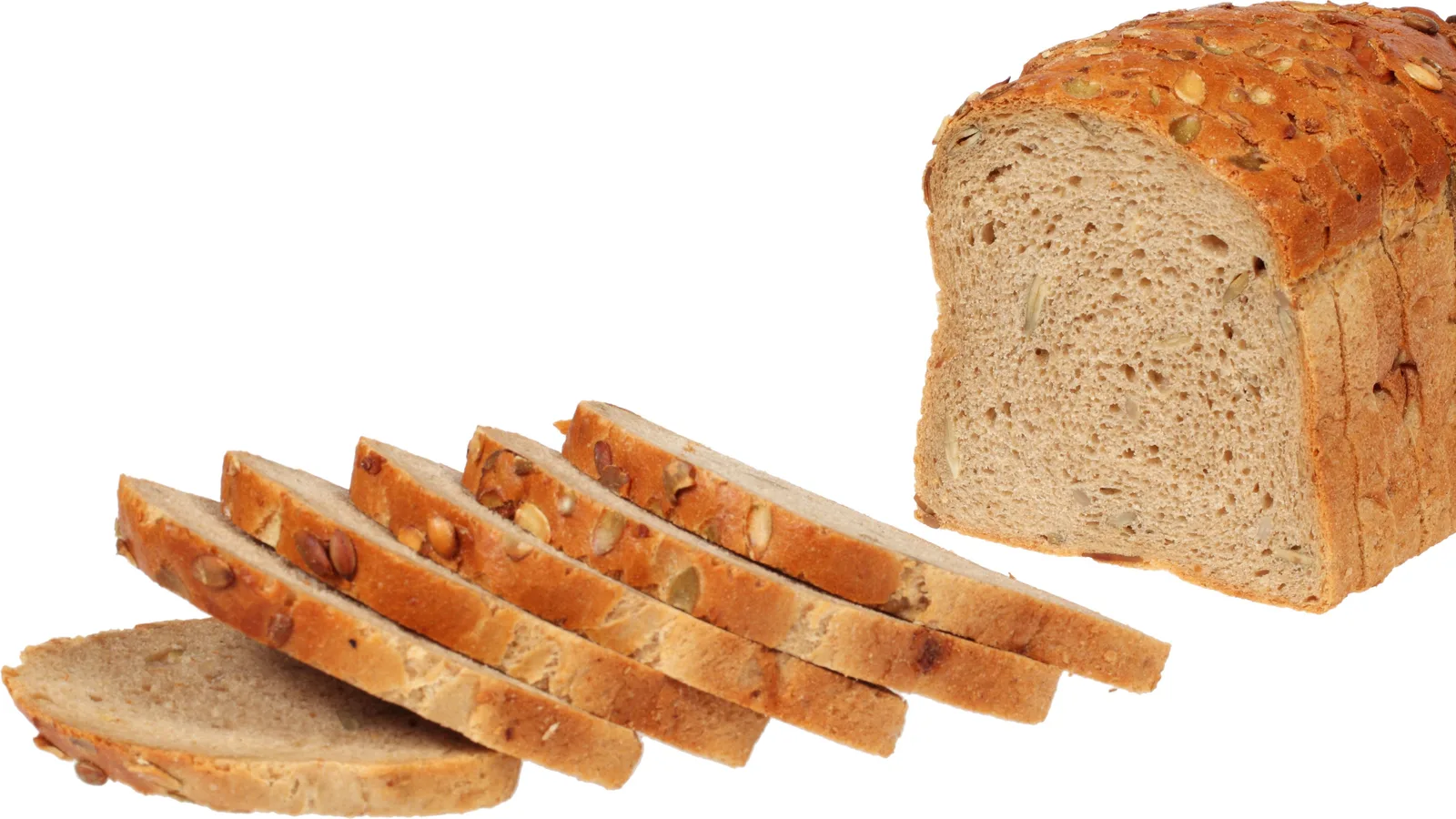
Be realistic about the loaf you will get. A bread maker bakes in a vertical tin, so the slice is square-ish with a rounded top rather than the long, open-crumbed cob you would pull out of a domestic oven. The crust is thinner and paler than a stone-baked loaf, because the element is close and the tin shields the sides.
Where the machine wins is consistency and convenience. It kneads, proves and bakes while you are doing something else, and it does it in a kitchen that never gets above 20°C in January. Fresh bread on a Tuesday night with no proving basket, no oven preheat and no washing up is the whole point.
Sourdough is the exception worth flagging. Genuine sourdough depends on a long ferment, which is why the dedicated Panasonic model exists and why sourdough cycles run for hours. Gluten-free baking is another case where the machine's tightly controlled proving temperature genuinely helps, since gluten-free doughs are fragile and unforgiving.
Finally, remember that bread made without preservatives stales faster than supermarket loaves. Freeze half the loaf sliced, and you will waste far less.
The verdict
Frequently asked questions
Can I leave the ingredients in a bread maker overnight?
Yes, if the machine has a delay timer. Keep yeast away from water and salt — use the yeast dispenser, or layer the ingredients in the order the manual specifies. Check the manual before using milk, eggs or fresh fruit in a delayed bake, as some manufacturers advise against it.
Why is my loaf sinking in the middle?
Usually too much liquid, too little gluten or yeast that has lost its strength. Use strong bread flour, weigh the water rather than guessing, and check the date on the yeast — sachets opened months ago often fail.
Do I need special flour for a bread maker?
Strong white or wholemeal bread flour with a high protein content gives the loaf its structure. Plain flour is too low in protein for a good rise, and ready-made bread machine mixes are convenient but not necessary.
How do I clean a bread maker?
Let it cool, then lift out the pan and paddle and wash them in warm soapy water — only use a dishwasher if the manual says the pan is safe there. Wipe the body with a damp cloth and never immerse the base.
Is a bread maker worth it for one person?
If you eat bread most days, yes: a compact machine with a small loaf setting makes just enough for a couple of days. If you only have the occasional slice, the worktop space is hard to justify.